

Greetings all,
This first MMHN Update for 2026 reflects the disturbing impact that turbulent, rapidly evolving global, socio-political events continue to have on the international maritime sector. But first – the good news!
Contents
1. Welcome to the MMHN Board, Captain Ben Esler
2. Australian National Antarctic Research Expedition (ANARE)
3. Cairns Cruise Terminal: Inspiration for Station Pier
4. Cruise Industry has Positive Impact on Australian Seafaring Skills
5. Port of Melbourne Port Development Strategy, December 2055
6. RAN Wartime Cultural Shift
7. AUKUS: Project, Strategic Value and Technology
8. Global Fishing Conflicts Grow
9. Heritage Fleet in Victoria Harbour
10. Victorian Fishing Authority: Fish Stocks
11. Wreck of Viking Era ‘Supership’ in Denmark
12. Viking Vessel in Port Phillip Bay
13. South Coast Water Safety
14. Russian Oil Conflicts
15. Offshore Extraction: Cleaning Up
16. Parliamentary Inquiry into Decommissioning Concerns
17. Offshore Wind: Star of the South Project
18. Sea Freight Vessels: Maritime Assistance in FNQ
19. Inland Waterways
20. 2026 Gippsland Lakes Boat Show
21. Year in Review: Maritime Stories That Defined 2025
22. MMHN Membership 2026
1. Welcome to the MMHN Board, Captain Ben Esler, Commanding Officer HMAS Cerberus and Senior Naval Officer in Victoria
MMHN is delighted to discover the wealth of maritime experience we are fortunate enough to draw upon! Ben graduated from the Australian Defence Force Academy as a specialist Surface Warfare Officer in 1993.
Subsequently, Ben’s seagoing appointments include training and operational service on vessels including Swan, Ipswich, Brisbane, Hobart, Newcastle and Manoora. In 2008-9, Ben commanded the Huon Class coastal minehunter, Hunter One, and later Huon and Hawkesbury. Most recently, Ben served in the Middle East (Operation SLIPPER), Australia (Operation RESOLUTE) and the South Pacific (Operation TREK).
As well as other deployments to SE and NE Asia, Ben has served with the Navy, Joint and Multi-Agency HQ Joint Capabilities Group, EO/ 2IC and HMAS Creswell, Deputy Director Navy International Engagement, Principal Warfare Officer Faculty at Watson, Head of the Officer Initial Training Faculty RAN College within HMAS Creswell. Prior to taking command at HMAS Cerberus, Ben was Australia’s Defence Attaché to the Republic of Türkiye. Welcome, Ben!
2. Australian National Antarctic Research Expedition (ANARE)
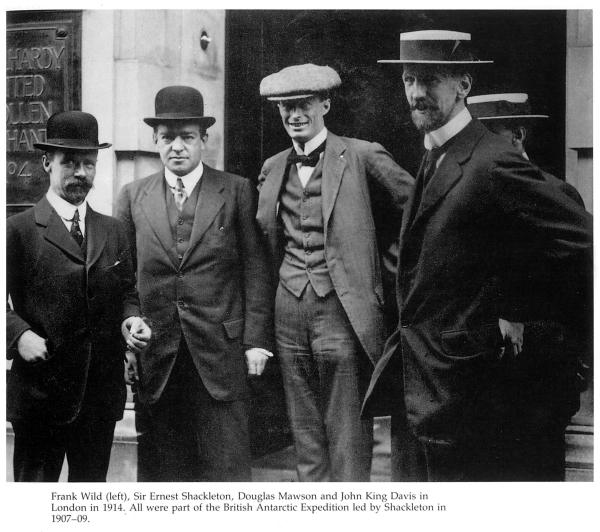
MMHN congratulates all at ANARE for their important work within the John King Davis Memorial Project, which works to appropriately commemorate Captain Davis’s contribution towards Australia’s exploration and discovery in Antarctica and later, his position as Australia’s long-serving Director of Navigation. King’s unmarked grave at the Melbourne General Cemetery will be restored and rededicated in a ceremony on the 19th of February 2026, the 142nd year after his birth and the 75th anniversary of the foundation of the ANARE Club. A grant from the Australian National Maritime Museum (ANMM) and ANARE membership contributions funded this project.

3. Cairns Cruise Terminal: Inspiration for Station Pier
Late in 2025, Jackie Watts disembarked after cruising around West Papua and PNG and was immensely impressed by the simple, stylish and efficient refurbishment of the terminal, formerly known as the Wharf Shed #3. Adjacent and similarly restored and repurposed, Shed #2 is currently leased as a hospitality venue to Hemingway’s Brewery. It was difficult to escape comparisons between the Cairns Cruise Terminal and what might be possible for our Station Pier if Ports Victoria were to commit modest resources towards repurposing the pier in a similar, historically respectful manner. Sadly, relevant Ministers in Victoria seem incapable of collaborating in order to implement what ALL stakeholders know to be urgently needed work on the pier. Its potential as a tourism and cultural asset is being squandered. The following link is to the ministerial statement advising that the terminal upgrade was budgeted at $11.2m.
See: Cairns cruising towards Q2 – Ministerial Media Statements
Note: The architectural design was undertaken by Arkhefield in association with Cairns-based architects, Total Project Group.
See the project on Arkhefield’s website
4. Cruise Industry has Positive Impact on Australian Seafaring Skills
Leaving aside the economic advantages, support for the cruise industry offers demonstrably wider benefits. For example, it has been pleasing indeed to note French cruise line Ponant now has an agreement with the Australian Maritime College (AMC, Hobart) to offer up to 30 AMC cadet student placements every year. This sea time is critical to growing our national seafaring skills and capabilities. Students can apply for deck or engine room placements to complete the required internship. Whether on the bridge or in the engine room, cadets will become integral crew members, learning directly from seasoned officers. Jackie Watts actually encountered an AMC engine room cadet on a recent Ponant Jacques Cartier cruise.
See: Ponant takes Australian Maritime College on board
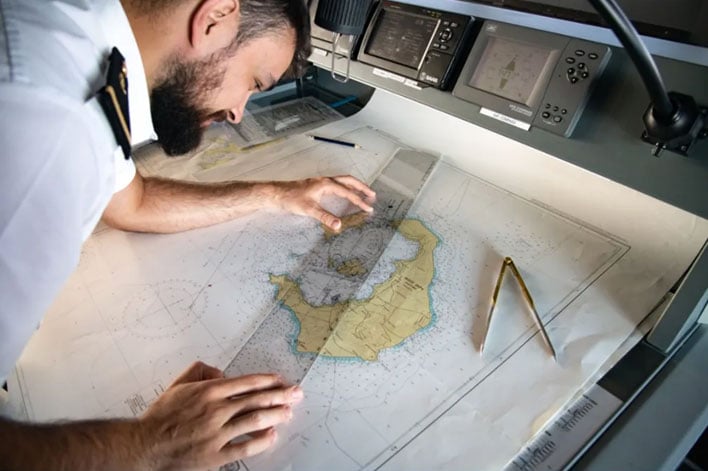
Image: Cadet Brice Supiot. Credit: Ponant/GwenvaelEngel
5. Port of Melbourne Port Development Strategy, December 2055
MMHN strongly recommends that you have a CLOSE look at what is planned in this Strategy, noting that the actual target dates for future developments are absent. Given that Melbourne is a major port city with the largest container port in Australia, what the Port of Melbourne (PoM) is planning for our city must be taken very seriously. PoM operations impact this city significantly in economic, environmental and social terms. The PoM states:
“We manage industrial growth and logistical efficiency while ensuring land use around the Port supports sustainable outcomes for surrounding communities and respects heritage values, including those of First Nations peoples. The Port incorporates public open spaces, including more than 10 hectares of walking, cycling and natural open space. To provide the community with access to public space, we developed and maintain the Maritime Cove Playground in Port Melbourne, the Webb Dock Trail, the lookout point alongside Webb Dock, and the Yarra River trails near Newport Power Station. PoM also maintains the Port Heritage Trail, which links heritage sites throughout the shared open spaces around the port. Special markers have information and historical images, allowing visitors to explore the port’s rich history while walking or cycling along established shared use paths. Stretching 22 km around the port from Station Pier in Port Melbourne, through West Melbourne and Footscray, to Point Gellibrand in Williamstown, the Port Heritage Trail gives a unique perspective.”
MMHN acknowledges all of the above as critical elements of the PoM approach, which is of critical concern to the Docklands Precinct. Therefore, community and maritime heritage matters must be raised.
The 2055 Port Development Strategy is comprehensive with excellent images! As usual, detail is important, particularly for maritime heritage enthusiasts and (presumably) all those thousands of investors and renters drawn to Dockland Precinct’s waterside real estate surrounding Victoria Harbour. See statements on p. 85 of the strategy document. PoM is persisting with its appalling proposal to construct an ‘at grade’ railway crossing adjacent to the Bolte bridge. This will, in effect, close off access to the upper Birrarung (Yarra River) and render Victoria Harbour a ‘pond’, unviable for most water-based activities. See ‘Rail network’, pp. 84–85.
There are other such port developments in the future to consider. For example, ongoing relocation of the Tasmanian Terminals at Webb Dock to Victoria Dock, requiring the relocation of Victoria Dock’s existing slipway and rail sidings; dredging north of the existing Webb Dock East Container Terminal, between the Victoria Dock berth and Appleton Dock for development of a new container terminal; and changes to the mouth of the Moonee Valley Creek. Prior to releasing this final version of the 2055 Strategy, PoM undertook consultations and received community feedback (pp. 21–25) on the draft strategy. However, from the perspective of key stakeholders (Docklands Precinct community, maritime heritage and the recreational boating industry), there is no evidence of positive change in the approach by PoM in relation to the detrimental impact of the railway line cutting across the river.
See: 2055 Port Development Strategy
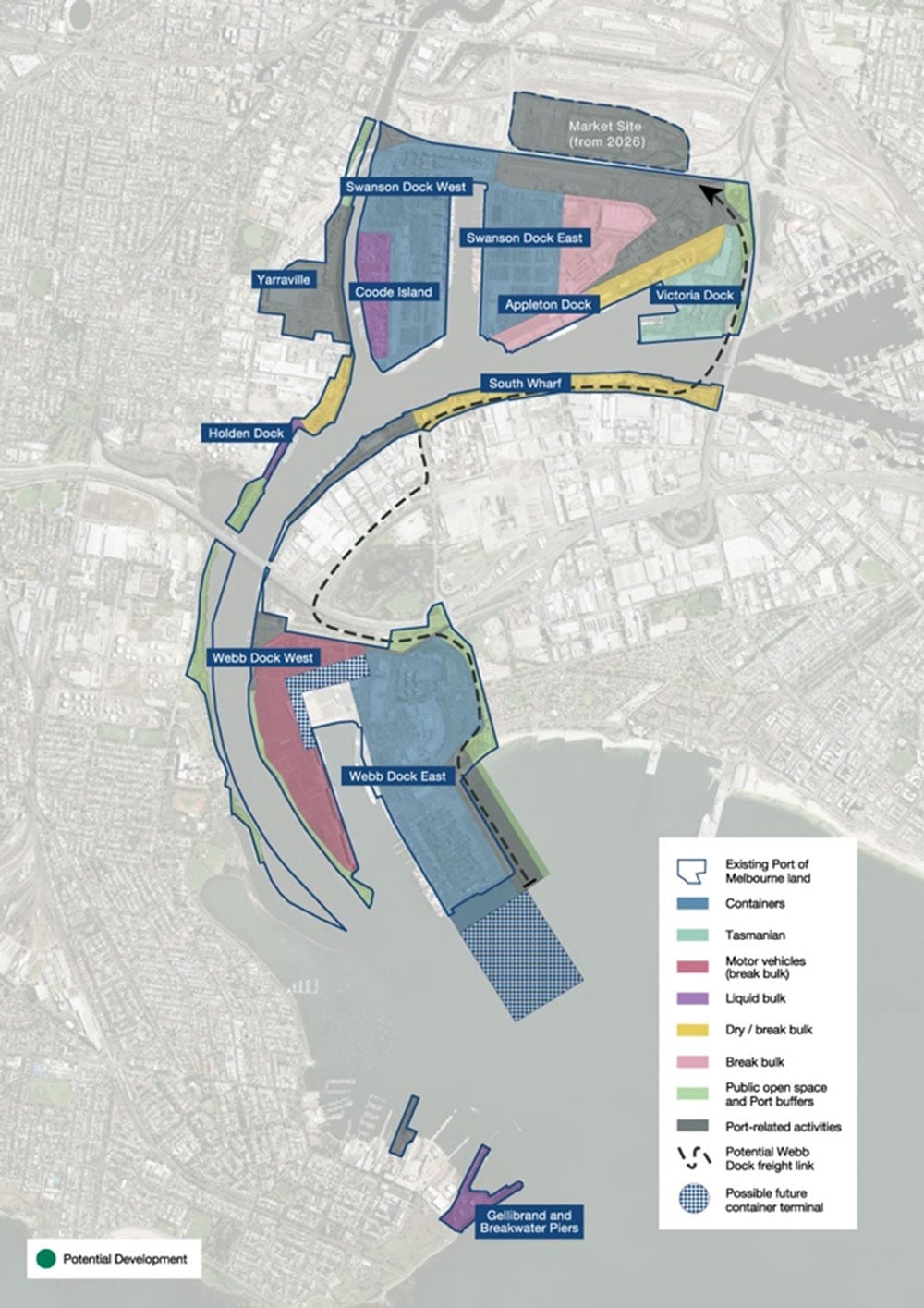
Image: PoM Strategy 2055. Credit: Port of Melbourne website.

6. RAN Wartime Cultural Shift
Australian Strategic Policy Institute (ASPI) expert Jennifer Parker writes Mariners first: rebuilding Australia’s navy for war at sea, calling for a fundamental conversation about the purpose of a navy and how that purpose must drive the structure, skills and culture of the RAN. Contrary to recent media coverage, the greatest challenge facing RAN is not nuclear submarines or considerably expanding the surface fleet, but how to transition RAN culture from a peacetime navy to one with the maritime war-fighting capability necessary to effectively operate such vessels. Cultural shift must occur in the RAN. That shift must be anchored in a unifying principle: war-fighting mariners first. The principle should unify all naval members around a shared war-fighting mariner identity, regardless of role.
See: Mariners first: rebuilding Australia’s navy for war at sea
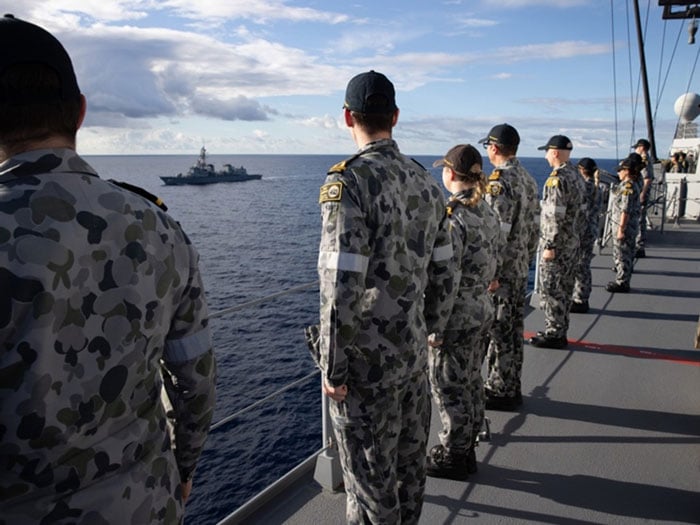
Image: RAN members. Credit: ASPI website.
7. AUKUS: Project, Strategic Value and Technology
Plenty for us all to ponder:
The Project
Expert associate at the National Security College Jennifer Parker reports AUKUS is not on the rocks despite UK’s sub troubles. UK experts have expressed concern at the “parlous state of the UK nuclear submarine industrial base”. This, to an extent, is an accurate assessment but does not necessarily apply to the AUKUS project. However, what does apply is that Australia should learn from the UK’s failure to adequately invest in its maritime industrial capabilities in a sustained manner.
“As an island nation, the UK shares Australia’s dependency on the undersea domain for its security”.
“Australia consistently overlooks what has already been achieved [through the AUKUS project]. Australians are now undertaking nuclear-powered submarine maintenance at home. More than 170 Royal Australian Navy officers and sailors have trained in the United States, with around 70 serving aboard Virginia-class submarines. Trilateral and bilateral treaties are in place.”
See: AUKUS is not on the rocks, despite the UK’s submarine troubles
Also: Britain’s submarine challenges do not spell AUKUS failure
Strategic Value
Inevitably, US political instability raises concerns over long-term prospects for the AUKUS project. Journalist Hugh Riminton links recent negative media speculation in this 2025 documentary, The Fragile Fortress: Is Australia Ready for War (the subtext asks whether AUKUS has any strategic value at all).
See: The Fragile Fortress: Is Australia Ready For War?
Technology
Views on the strategic value of the AUKUS project continue to emerge in the media. The cost, benefit and timeline remain difficult to fathom. ABC journalist Peter Cronau expressed concerns on the social media platform X, arguing that the “old technology has already been surpassed — and they haven’t even been built yet… By the time the last Australian AUKUS submarine is delivered (around 2060), the most advanced navies will be mass-operating cheap hybrid subs, AI-guided autonomous vessels.”
See: Peter Cronau via X
8. Global Fishing Conflicts Grow
How to address the sheer scale and impact of illegal fishing?
Argentina: The sheer number of Chinese fishing boats is overwhelming the maritime defence capabilities of coastal nations across South America, Africa and Southeast Asia. Journalist Isabella Anderson reports that “Argentina has deployed its entire Navy to tackle the menace of illegal Chinese fishing boats swarming inside its territory. However, this has changed nothing”.
Peru: In 2025, local fishermen fed up with repeated illegal incursions into Peruvian waters and plunder of their fish stocks took action. Multiple small fishing boats surrounded and blocked a Chinese fishing vessel after it entered prohibited waters.
See: Roar Wildlife News via Facebook
Antarctica: Chinese fishing company Kaichuang has reported a nearly 200% increase in krill catch in Antarctica with profits jumping 270%. Such growth obviously and inevitably robs essential food from whales and penguins, leaving wildlife to starve and perish, and certainly not breed.
“During the nine-month period, the firm’s krill catch rose 198 percent year over year, amounting to 55,377 metric tons (MT). Simultaneously, the company’s tuna catch rose 16 percent and it experienced a 145 percent spike in government subsidies, all of which contributed to its profits jumping 270 percent during the time frame, totalling CNY 60.5 million (USD 8.5 million, EUR 7.4 million). Kaichuang also recorded revenues of CNY 1.7 billion (USD 240 million, EUR 210 million) over the first three quarters, marking a year-over-year decrease of just under 2 %.”
See: Kaichuang reports nearly 200 percent increase in krill catch
Also: Go Green via X
9. Heritage Fleet in Victoria Harbour
MMHN notes, as of the start of 2026, Development Victoria (DV) continues to stall and prevaricate on the future of the Heritage Fleet in Victoria Harbour. Given that, prior to Christmas, heritage fleet stakeholders identified a viable and available relocation option on New Quay (which had the support of the City of Melbourne and MAB, the relevant developer), it is beyond frustrating that DV is expecting to provide more information in the coming weeks. An unhelpful non-response to genuine concerns. A DV spokesperson reports, via the Docklands News, that DV continues to work with the City of Melbourne and explore what opportunities may exist to continue to support maritime-based organisations and activities at Docklands. This DV ‘exploration process’ will be illuminating for all concerned, given that the negotiations have actually been generating serious frustration and angst in the maritime heritage community for many months. Little comfort can be gained when DV asserts: “We recognise Docklands’ maritime heritage and have worked with Lendlease and the City of Melbourne to accommodate maritime-based organisations and businesses at North Wharf for as long as possible ahead of development and expect to inform them of timelines in the coming weeks.”
10. Victorian Fishing Authority: Fish Stocks
By way of contrast to the large-scale depletion of ocean fisheries, the Victorian Fishing Authority is on the front foot in relation to addressing depleted fish stocks in our waterways, at least. The Victorian Fisheries Authority (VFA) has delivered another major month of fish stocking across the state, releasing thousands of trout, Murray cod and silver perch into key lakes and reservoirs, all funded by licence fees through the Go Fishing and Boating Plan. For the boating industry, this matters. More stocked waterways mean more fishing trips, more families heading to regional lakes and more Victorians looking to get out on the water, driving demand for boats, motors, accessories and on-water experiences. Releases ahead of the holiday period included significant stockings at Toolondo, Eildon, Blue Rock, Devilbend, Purrumbete, Bullen Merri and many more high-traffic fishing destinations. The VFA website is immensely informative and we recommend it to our members. The website also offers a searchable, state-wide stocking database that allows anglers to easily see where and when fish have been released.
See: Fisheries management and science branch
11. Wreck of Viking Era ‘Supership’ in Denmark
Denmark is, of course, appearing regularly in the media in relation to the US threatening to acquire Greenland. Coincidentally, the recent discovery of the wreck of an early 15th century Dutch Cog, has also received international attention.
See: Archaeologists reveal a medieval super ship: “It’s the World’s largest cog”
And: Vikingeskibs Museet
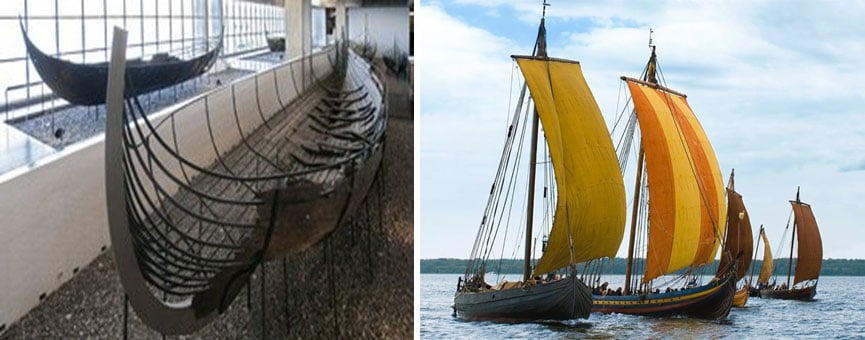
Images: Reproduction vessels. Credit: Vikingeskibs Museet website.
12. Viking Vessel in Port Phillip Bay
Encouraging news for Viking vessel enthusiasts in Melbourne. Plans are afoot with Mornington-based Viking descendent Asbjorn Pedersen, for the reproduction of the vessel Mjølner, scheduled to sail again from Mount Martha in early 2026. A reminder that this reproduction project commenced in 2018. Its name, Mjølner or Mjölnir, is the name of Thor’s hammer in Norse mythology. Thor’s hammer was crucial in Norse legend as a symbol and tool of immense power, representing protection, strength, fertility and blessing.
See: World’s first Australian-built Viking Ship
13. South Coast Water Safety
For those heading offshore, MMHN recommends a new video developed by Barwon Coast and Ocean Grove Coastwatch. The media has reported several mishaps this summer involving paddleboards and surfboards that were rescued after being driven far off course by exceptionally strong currents and winds. This video serves as a valuable resource for anyone heading offshore. We encourage members to share it widely within their organisations and with the broader boating community.
Also, a new educational video is now available to help boaters safely navigate the bar when accessing Bass Strait. The resource provides practical guidance on vessel preparation, boating safety, navigational aids, and evaluating weather, tide, wind, and swell conditions before making the crossing.
See: The Facts About Rip Currents
And: Barwon River Bar Crossing
14. Russian Oil Conflicts
There are various dimensions to the global Russian oil transportation problem including, of course, the social, economic, political and environmental implications of the infamous Russian shadow fleet. This Update lists more for your consideration.
Baltic Sea Ban: For the first time, a Russian shadow fleet tanker was barred entry to the Baltic Sea. The crude oil tanker Tavian was denied entry to German territorial waters and was forced to turn around. The tanker is now near the coast of Norway and headed for the White Sea. In January 2026, after having been barred, the ship sailed north along the Norwegian coast, en route to Murmansk. The “Tavian” has sailed under 11 different names since 2013 and has been on US sanction lists since 2021.
See: Tendar via X
See: Tanker with false IMO number sails in the Barents Sea
Drones Attack Oil Tankers in the Black Sea: Reports have already emerged about the strategic efficiency of attacks at sea by drones. Transportation of Russian oil has been a key target of the Black Sea maritime conflict.
“Ukrainian suicide drones have struck 3 oil tankers as they were nearing the Russian port of Novorossiysk to pick up oil. Ukraine has introduced a naval blockade on Russian oil transports in the Black Sea.”
See: Visegrad24 via X
Russian Energy Ban: Sweden and Finland have called for a full maritime ban on Russian energy. The countries have jointly called on the EU to adopt the 20th sanctions package against Russia as soon as possible. Among the main proposals are a complete ban on European companies providing maritime services to vessels transporting Russian oil or gas.
See: MilitarynewsUA via X
Also: StratcomCentre via X
15. Offshore Extraction: Cleaning Up
Journalist for The Sydney Morning Herald Nick Toscano reports Now the hard part for Australia’s oil and gas sector: erasing itself from the sea. Owned by American oil company ExxonMobil in a joint venture with Woodside Energy, 19 huge steel platforms, immensely tall extraction infrastructure, are scattered across the Gippsland Basin in Bass Strait. Out of interest, each platform is named after a species of fish. This extraction industry has driven the economy since the 1960s and it is estimated they have supplied 50% of the crude oil ever produced in Australia and 40% of the eastern states’ gas demand.
See: Now the hard part for Australia’s oil and gas sector: erasing itself from the sea
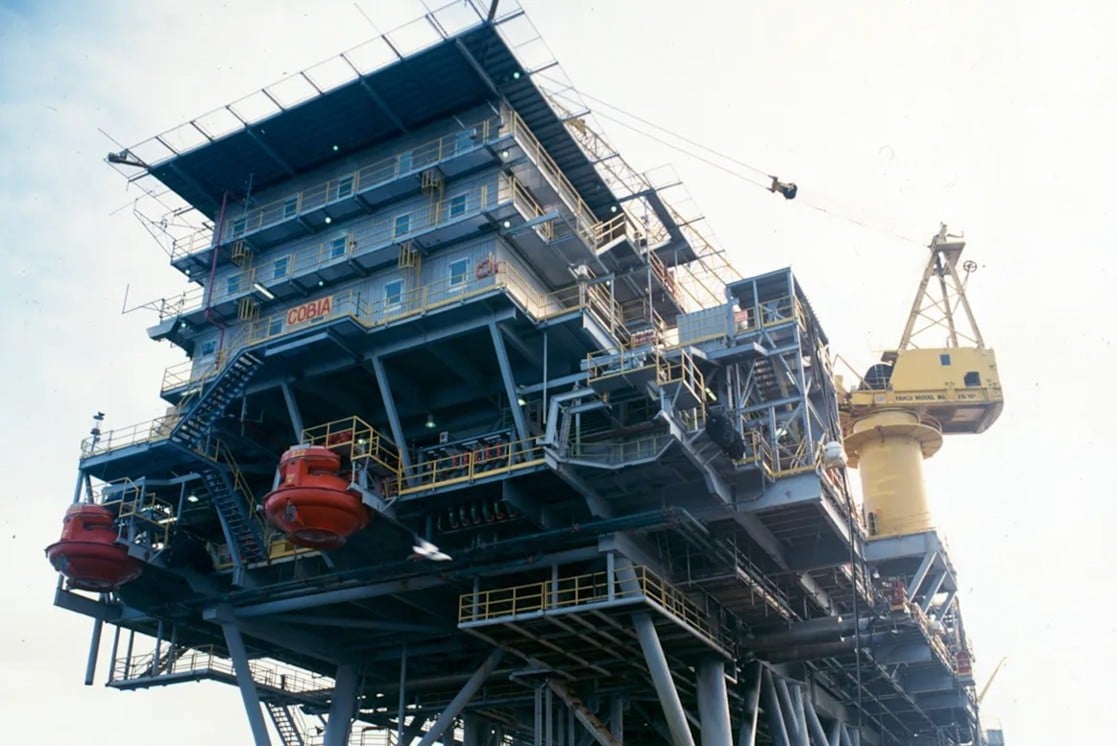
Image: Cobia platform, soon to be decommissioned. Credit: The Sydney Morning Herald website.
16. Parliamentary Inquiry into Decommissioning Concerns
Rigorous scrutiny cannot come soon enough! A Victorian parliamentary inquiry into the decommissioning of oil and gas infrastructure is expected to be handed down in March of 2026. ABC journalist Olivia Sanders reports Calls for tighter regulations after Woodside knowingly shed plastic into ocean. Environmental groups are calling for tighter regulations around decommissioning oil and gas fields after energy giant Woodside shed almost 200kgs of plastic into the ocean. Documents reveal the company knowingly continued to shed plastic without implementing risk controls for almost two months before notifying the offshore regulator. Woodside-engaged company, Subsea 7, undertook decommissioning works, which began in January 2025, at the Minerva gas well and pipeline off the coast of Port Campbell in south-west Victoria. Woodside ceased cutting and recovery of the Minerva pipeline on May 2nd, by which time another approximately 400 components had been lost in the sea, for a total of about 186kgs of plastic pollution. In July 2025, NOPSEMA ordered Woodside to cease decommissioning activities at the Minerva site and two WA gas fields until it completed the authority’s directions.
See: Calls for tighter regulations after Woodside knowingly shed plastic into ocean
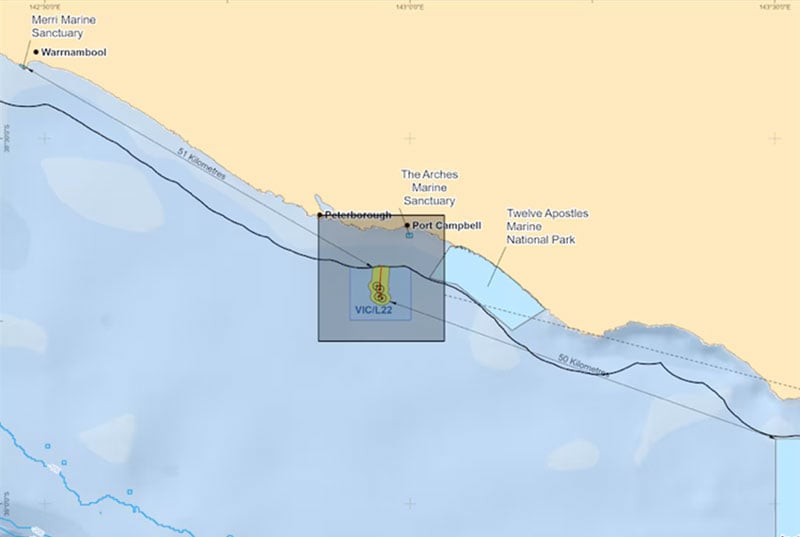
Image: The Minerva wells are located in the ocean approximately 11 kilometres off the coast of Port Campbell in Victoria’s south-west. Credit: Woodside Energy.
17. Offshore Wind: Star of the South Project
In excellent news, a major milestone has been reached in the completion and lodgement of an Environmental Impact Statement to the Federal Government for approval under the Environment Protection and Biodiversity Conservation (EPBC) Act, in relation to the offshore wind project. EPBC approval is the primary environmental approval required for the project. If granted, a further seven years of rigorous scientific enquiry and consultation will take place to understand the local environment and ensure it is protected during the project’s construction, operation and eventual decommissioning. The Environmental Impact Statement draws on 26 technical studies examining potential effects of the project on environmental, cultural, social and economic values, including a world-class marine environment survey program. Following government review and authorisation, this documentation will be publicly exhibited and submissions invited in 2026. Further, late in 2025, the Federal Government renewed the Major Project Status for Star of the South, recognising the project’s potential contribution to Australia’s clean energy needs. The renewal means the project will continue to receive tailored support from the Major Projects Facilitation Agency for another three years, including assistance navigating regulatory approvals.
See: Star of the South takes major leap forward
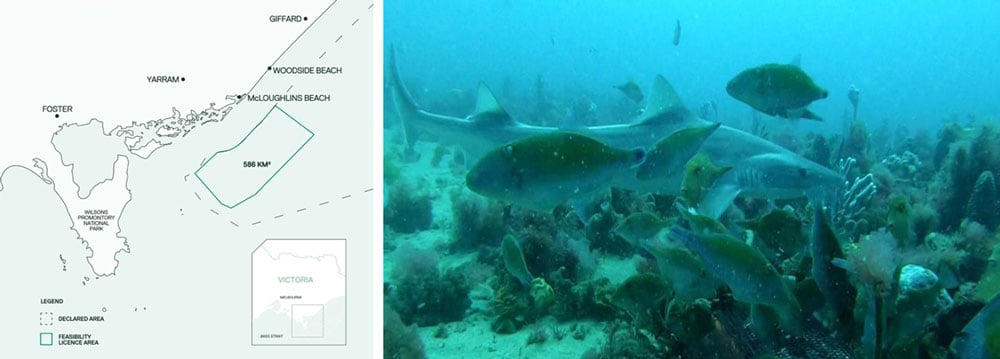
Images: Star of the South Map and Scientific fish surveys. Credit: Star of the South website.
18. Sea Freight Vessels: Maritime Assistance in FNQ
As major flooding events render land-based transportation unviable, existing commercial sea freight services become invaluable. When major road and rail corridors, including parts of the Bruce Highway, were cut off by flooding after ex-Tropical Cyclone Koji, Sea Swift sent a vessel to Brisbane to collect essential freight and transport it to Cairns. An important reminder that, for our island nation, sea routes remain a resilient transport option. Sea Swift has been operating in QLD, through the Torres Strait and Cape York Peninsula, and around NT coastal regions for 35 years.
See: Keeping Northern Australia Connected
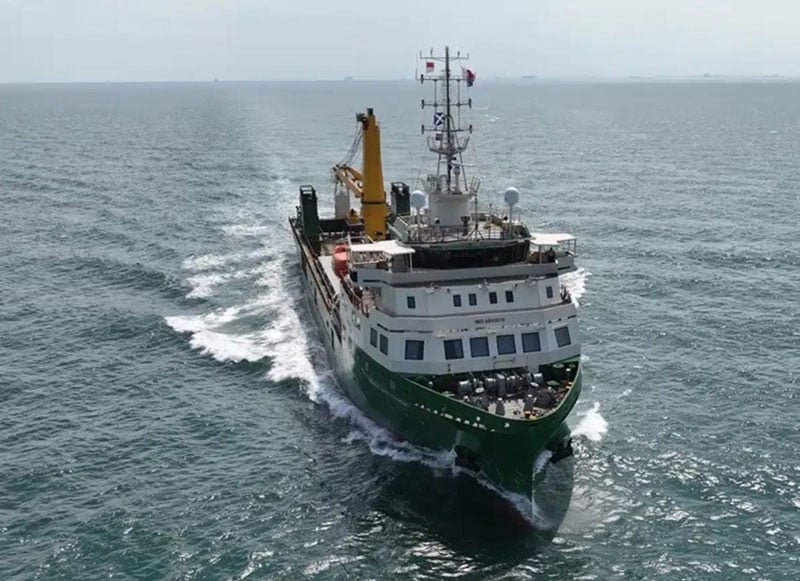
Image: Sea Swift vessel. Credit: Sea Swift website.

19. Inland Waterways
MMHN Board member Steve Walker recently reported on the thriving Mildura, Merbein and Yarrawonga houseboat, fishing, and cruising communities and water-on-water tourism. Steve met with industry leaders at Lake Boga, Shepparton and Echuca. Overall, he found that “Northern Victoria’s boating industry is busy, highly engaged, and showing strong signs of continued growth as the sector heads into 2026”.
20. 2026 Gippsland Lakes Boat Show
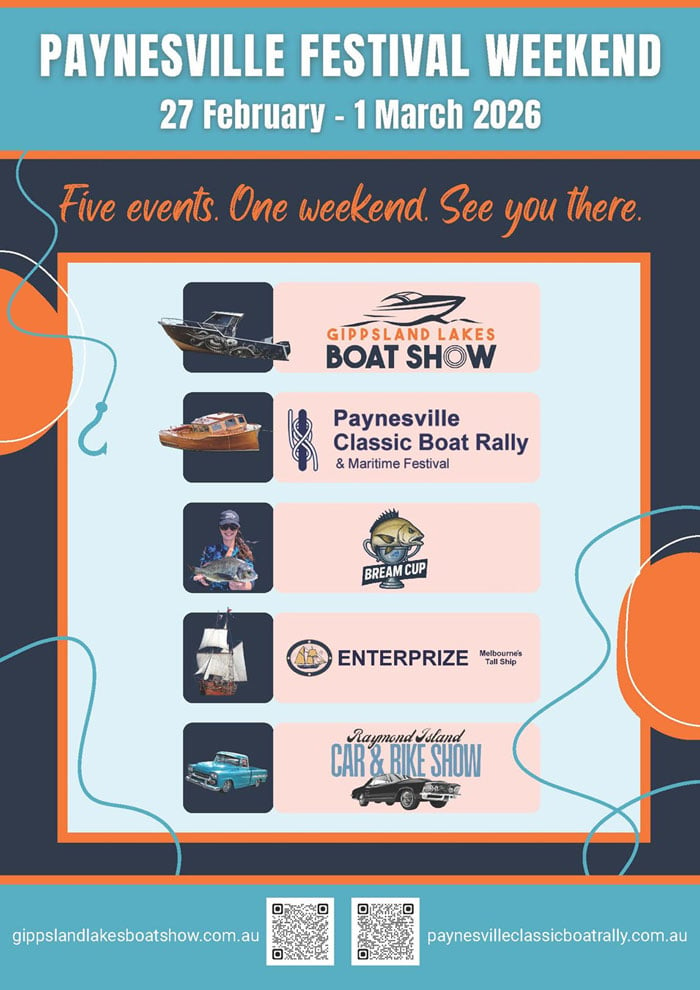
Running from 27th Feb to the 1st March, a reminder that the 2026 Gippsland Lakes Boat Show program includes the Paynesville Classic Boat Rally.
21. Year in Review: Maritime Stories That Defined 2025
You may find this global maritime round-up compiled by Mike Schuler interesting. Mike is managing editor of the website gCaptain, which complies daily news coverage on global shipping, maritime security, offshore energy, and industry policy.
See: Year in Review: The Maritime Stories That Defined 2025
22. MMHN Membership 2026
We hope that you have once more enjoyed reading the January MMHN Update. As the year unfolds, we will continue to bring you an astonishing breadth of maritime heritage and other related maritime sector topics – past, present and future. We hope also that if not already an MMHN member, you will consider becoming one in 2026. The MMHN membership fee remains at $30 for Individuals, $50 for Associations and $300 for Corporates.
You may join online: https://mmhn.org.au/membership/membership-form/
A reminder that if you have a particular interest in a stated MMHN Objective or other maritime matter, please let us know.
See: https://mmhn.org.au/maritime-action/#objectives
Until next time,
Dr Jackie Watts OAM
Chair, Melbourne Maritime Heritage Network