

Greetings all,
As always there has been much interest to report in the MMHN Update this month but sadly scant good news or certainty about the oceans, seafarers or AUKUS. We can take comfort in Australia’s geography, our relative stability and, our being ‘girt by sea’ at a distance from the global political turmoil – for now!
Contents
1. School Holiday Fun – General Waste’s Shipboard Tour and Treasure Hunt
2. Vale Michael Silver
3. Vale Geoff Dougall
4. Atlantic Meridional Overturning Circulation (AMOC)
5. USA Dismantles Ocean Sensor Network (OOI)
6. Antarctic Ocean Change – irrefutable and amplifying
7. Sponges – Not growing towards the light
8. Indian Ocean Defence and Security Conference, Perth
9. AUKUS – Public Disquiet
10. Bait and Switch – Nautical term?
11. AUKUS – Pact About More than Submarines?
12. Australia Challenge for the 2026 Americas Cup
13. Maritime Law – Shifting Concepts
14. Australian Maritime Museums Council (AMMC)
15. Cerberus Wreck News
16. German Antarctic to Waste Management – Exemplary
17. Australian Antarctic Waste Management – Tardy
18. Refuelling debacle
19. Chinese flotilla in Tasman Sea
20. RoRO Carrier
21. Barcelona Maritime Museum
22. When Sail supplanted Rowing
23. Aquaculture – Country of Origin Labelling
24. Commercial Trawl Nets and Sets
25. Company of Master Mariners (COMMA)
26. Australian Maritime Mystery
27. World Ship Society
28. Algal Bloom Persists In SA
29. Marine Artists Australia
30. Pacific Blue Shipping Partnership Signed
31. Foreign Lotteries
1. School Holiday Fun – General Waste’s Shipboard Tour and Treasure Hunt
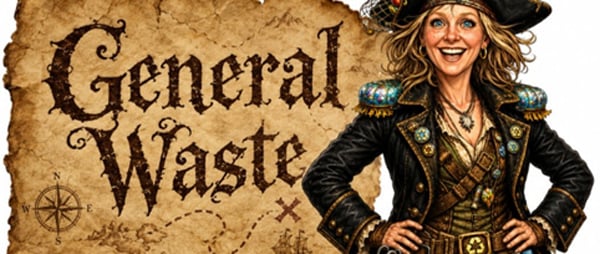
Step aboard the legendary MV Steve Irwin these School Holidays, and join General Waste for an exciting ship-wide treasure hunt packed with clues, eco challenges and surprises.
The Ship 4 Good team is launching General Waste’s Shipboard Tour and Treasure Hunt, its first school holiday workshop for children in Melbourne. It’s designed to get young ocean adventurers thinking creatively and critically about saving our oceans via a fun ship-wide treasure hunt exploring the vessel and different forms of waste and their impact on the marine environment.
For July bookings and further information, go to https://www.ship4good.com.au/event-list
2. Vale Michael Silver
MMHN was deeply saddened to learn of the sudden passing of Michael Silver. Michael was the founder and president of MAGNET Galleries in Docklands, which he and his wife, Susanne, have operated since its establishment as New North Gallery in 2010.
An accomplished photographer and passionate advocate for the arts, Michael was widely respected for his creativity, generosity, and dedication to his craft. He and Susanne were valued supporters of MMHN and, over the past five years, MAGNET Galleries has proudly hosted our annual Docklands Primary Maritime Art Competition.
In tribute to Michael’s memory, MAGNET Gallery and Susanne held a fundraiser between 11 to 28 June for dementia research and support.

Image: Michael Silver. Credit: James McArdle, AustralianPhotography.com
3. Vale Geoff Dougall
As reported by Tim Horton, it was with great sadness that MMHN also learned of the passing of Geoff Dougall.
Geoff was a much-loved member of both the Williamstown and maritime communities, and his passing will be deeply felt by all who knew him.
As co-founder of the Seaworks Maritime Museum, Geoff made a lasting contribution to the preservation and celebration of Williamstown’s rich maritime heritage.
In a tribute, Seaworks Executive Officer Glenn Jones wrote, ‘Geoff played an important role in the early days of Seaworks, serving as Site Manager from 2010 to 2013 and helping shape both the place and the spirit of what it has become today. He was also deeply passionate about the Seaworks Maritime Museum, where he volunteered tirelessly. Geoff cared deeply about the museum, its stories, and its role in preserving Williamstown’s maritime heritage.’
Geoff’s dedication, knowledge, and enthusiasm left an enduring legacy that will continue to inspire future generations. He will be greatly missed by his family, friends, colleagues, and the wider maritime community.
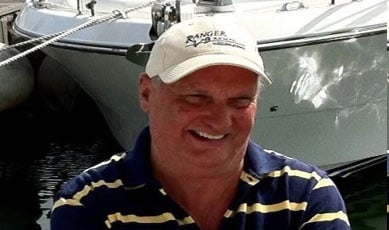
Image: Geoff Dougall. Credit: Seaworks, Facebook
4. Atlantic Meridional Overturning Circulation (AMOC)
A timely reminder that, however distant events may seem, we all share the same ocean.
The Atlantic Meridional Overturning Circulation (AMOC) is a vast system of currents that acts like a giant ocean conveyor belt. It carries warm tropical waters northwards across the Atlantic, where they release heat into the atmosphere before cooling, sinking and eventually flowing south again. This circulation helps regulate climate patterns far beyond the Atlantic itself.
Scientists are increasingly concerned that this system is weakening. Should that trend continue, Europe could face colder and harsher winters as the supply of warm water diminishes. More troubling is the possibility that the AMOC may be approaching a climatic ‘tipping point’. Researchers describe it as a ‘bi-stable’ system, with two relatively stable states – effectively switched ‘on’ or ‘off’. If the system were pushed beyond a critical threshold, it could shift into a very different state and remain there for thousands of years.
Some projections suggest the AMOC could slow by as much as 51 per cent by 2100 – around 60 per cent greater than earlier average estimates. Meanwhile, record-breaking ocean temperatures and other unusual marine observations are reinforcing concerns that our oceans are changing in ways that demand close attention.
This is why sustained ocean observation matters. The buoys, research vessels, satellites and monitoring networks quietly collecting data around the world provide the evidence that allows scientists to detect emerging risks and improve future projections. As Helen Findlay, a biological oceanographer at the Plymouth Marine Laboratory in the United Kingdom, observed, ‘without them, we are effectively choosing to navigate an increasingly volatile ocean with diminishing visibility.’
At a time when good information has never been more important, the United States is withdrawing support from parts of the ocean observing system that contribute critical data to the global scientific community. It is a sobering reminder that the benefits of ocean monitoring do not stop at national boundaries. Neither do the consequences of failing to understand what is changing.
For those of us who care about maritime heritage, the sea is more than a backdrop to history. It has shaped trade, migration, livelihoods, recreation and identity. The oceans that connected past generations continue to sustain and influence our lives today. Investing in their understanding is not simply an environmental concern; it is an act of stewardship for future generations.
After all, we share the same ocean.
See: The Oceans Are in Deep Trouble
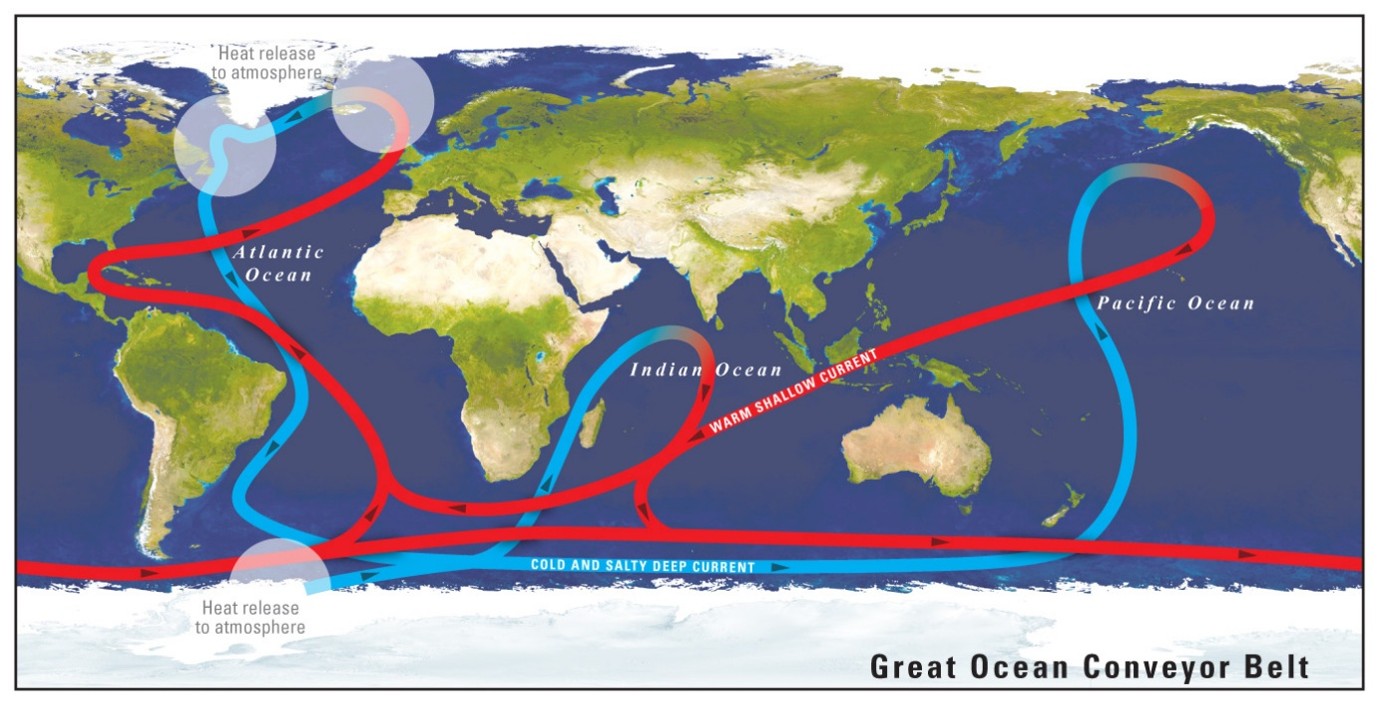
Image: Atlantic Meridional Overturning Circulation. Credit: US Geological Society, 2016
5. USA Dismantles Ocean Sensor Network (OOI)
Laura Paddison and Ella Nilsen (CNN, 3 June) report on an alarming decision now being implemented in the United States. The Ocean Observatories Initiative (OOI), established in 2016 at a cost of US$368 million, deployed around 900 instruments across key regions of the Pacific and Atlantic Oceans. Designed to withstand the immense pressures and corrosive conditions of the deep sea, these moored and mobile observatories collect real-time data on ocean chemistry, temperature, biological activity and the powerful currents that influence global weather and climate.
The initiative was intended to operate for three decades. However, on 21 May 2026, the US National Science Foundation, which funds the program, announced it would be ‘descoping’ the network. Over the next 15 months, much of the initiative’s ‘in-water infrastructure’ is scheduled to be removed.
Many scientists believe this is a dangerous moment to dismantle and defund critical climate science projects. Record-breaking sea temperatures, the prospect of a super El Niño, and concerns about significant changes in the Atlantic Meridional Overturning Circulation (AMOC) all point to a pressing need for more observation, not less. Sustained monitoring is essential if we are to understand how rapidly the oceans are changing and what those changes may mean for communities, ecosystems and economies around the world.
There is also a second, equally troubling dimension to the loss of deep-ocean observations. As interest grows in commercial deep-sea mining, independent scientific monitoring is one of the few ways to assess and verify the environmental impacts of this emerging industry. Without baseline data and ongoing observations, damage to fragile deep-ocean ecosystems may go undetected, unmeasured and ultimately unaccountable. We cannot understand what is being lost if we cease to observe it.
Chris Robbins, Associate Director of Scientific Initiatives at Ocean Conservancy, warned that reducing these capabilities would ‘create an irreparable blind spot for our country in predicting earthquakes, fishery health, storm forecasting, coastal flooding and more.’ He concluded, ‘it just doesn’t make sense.’
For a maritime nation such as Australia, dependent on healthy oceans, reliable weather forecasting and secure marine industries, the message is clear. The oceans connect us all. At a time of unprecedented environmental change, investing in knowledge and observation is not a luxury—it is a necessity. Choosing not to look does not reduce the risks; it simply leaves us less prepared to face them.
See: Ocean Observatories Initiative: Budget Information and Impacts
Also: Ocean Observatories – By the Numbers
Why Trump is signing an executive action on mining the deep ocean
6. Antarctic Ocean Change – irrefutable and amplifying
Scientists from the Australian National University (ANU), Monash University, the University of New South Wales and James Cook University have reported the profound changes they have witnessed firsthand while conducting research in Antarctica. Writing in The Conversation (20/8 2025), they describe evidence that abrupt environmental change is already underway and is likely to intensify significantly in the future.
The warning signs are becoming increasingly difficult to ignore. Sea ice is shrinking rapidly, the floating glaciers known as ice shelves are melting at an accelerating rate, the vast ice sheets blanketing the continent are approaching critical tipping points, and vital ocean currents are showing signs of slowing down.
These abrupt changes are especially concerning because they can amplify themselves through powerful feedback loops. For example, as reflective sea ice melts, darker ocean waters absorb more heat from the sun, causing the oceans to warm more rapidly and leading to even greater ice loss. Once these processes are set in motion, they can be extremely difficult – and in some cases impossible – to reverse within timescales meaningful to human societies.
Antarctica’s natural systems are tightly interconnected. When one part of the system is disrupted, cascading effects can ripple through others. The researchers note that Antarctic sea ice has been in dramatic decline since 2014, with the extent of sea ice now shrinking at roughly twice the rate observed in the Arctic. Perhaps most alarming is their conclusion that these unfolding changes are unprecedented, lying well beyond the natural variability experienced over past centuries. What was once regarded as a distant and frozen wilderness is increasingly revealing itself as a critical component of Earth’s climate system – one whose stability underpins global weather patterns, sea levels and ocean circulation.
For Australia, a nation bounded by oceans and with deep historical, scientific and environmental ties to Antarctica, these findings are more than an abstract warning from a remote continent. They are a reminder that changes at the bottom of the world do not stay there. The decisions we make today about climate action, scientific research and long-term stewardship will shape the world inherited by future generations.
Also: Record low Antarctic sea ice coverage indicates a new sea ice state
Emerging evidence of abrupt changes in the Antarctic environment
7. Sponges – Not growing towards the light
A strange reality to consider: around 95 per cent of the ocean, by volume, lies in the permanently dark and cold deep sea. Yet life flourishes there. UNSW researchers Alessandro Garritano and Thornton Thomas, The Conversation (26/5, 2026) describe how deep-sea sponges form vast ‘sponge gardens’, some stretching across thousands of square kilometres of the seafloor.
These remarkable organisms are ecosystem engineers, filtering thousands of litres of seawater each day and recycling ammonia, carbon dioxide and other organic compounds through partnerships with microbes. In doing so, they generate nutrients and biomass that support a rich community of deep-sea life, from brittle stars to fish.
Studying Calyx sponges from depths of 830 metres, the researchers uncovered new insights into the role these hidden ecosystems play in Earth’s carbon cycle.
The United Nations has recognised deep-sea sponge gardens as vulnerable marine ecosystems, but, as the researchers warn, if we destroy these habitats before understanding their significance, we may lose a vital part of our planet’s life-support system before realising it was ever there.
See: Deep‑sea sponges survive in complete darkness in ways we didn’t know before
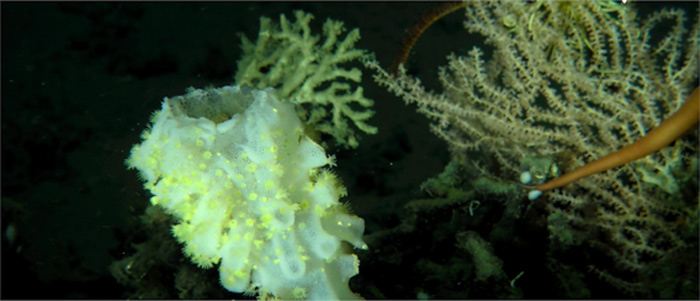
Image: The deep-sea sponge Calyx sp.in its natural habitat. PROBIO-DEEP/Fugro. Credit: The Conversation, 26/5/26
8. Indian Ocean Defence and Security Conference, Perth
Concerns continue to grow over China’s military build-up. ABC reporter Stephen Dziedzic notes that while a US Department of Defense Review is normally conducted every four years, the 2026 review was brought forward to August 2025. It is therefore unsurprising that the Pentagon would also reassess AUKUS, a cornerstone of its Indo-Pacific strategy negotiated by former leaders of Australia and the United Kingdom, under which Australia is to acquire conventionally armed, nuclear-powered submarines.
A review does not necessarily signal a change to the agreement. However, the South China Morning Post reports that the move is likely to alarm Australia, which regards the submarines as critical to its defence capability amid rising regional tensions and concerns over China’s military expansion.
Minister for Defence Richard Marles has dismissed calls for contingency planning should AUKUS fail, arguing that doing so would amount to ‘giving up’ on acquiring any new submarines. He said the government’s overwhelming focus remained on ensuring AUKUS succeeds, warning that Australia would otherwise face the unthinkable prospect of being left without either a replacement for the Collins-class fleet or a new generation of submarines.
This is a view not necessarily shared by 5 academic experts.
Jennifer Parker, National Security College, UNSW Canberra – ‘Crucially, the real driver of this so-called “America First” Review is what the US gets out of AUKUS. The answer is quite a lot. Why now? Because the strategy review is being accelerated under the new administration. As for the leak, it is plausible it was designed to apply pressure to Australia over its defence spending commitments’. i.e. PROCEED.
Albert Palazzo, School of Humanities and Social Sciences, UNSW Canberra – ‘a Review should be welcomed by all Australians as an opportunity for the Albanese government to scrap the agreement and wean itself off US dependency. The review is a chance for our political leaders to exercise their most important responsibility; asserting the nation’s sovereignty and equipping Australia to provide for its national security on its own’. i.e. PAUSE.
Ian Langford, Security & Defence PLuS, Professor, UNSW Sydney – ‘Australia should not walk away from AUKUS in light of the Pentagon’s newly announced review. However, it should seize the moment to increase defence spending to meet short-term challenges not addressed by the submarine deal. But clinging to AUKUS without confronting the deeper risks it now exposes, would be a strategic mistake’. i.e. PROCEED WITH CAUTION.
Maria Rost Rublee Prof, International Relations, Social & Political Science, University of Melbourne – ‘let’s be honest, Australia is not going to withdraw from AUKUS. The United States is our most important military and diplomatic partner; in the words of the 2024 National Defence Strategy our alliance with the US remains fundamental to Australia’s national security’. i.e. PROCEED.
David Andrews, Policy & Engagement, ANU – ‘I want AUKUS to succeed. It offers a unique opportunity to substantially upgrade Australia’s maritime capabilities with access to world-leading submarine technology and a suite of advanced and emerging technologies. However, we cannot realistically pursue AUKUS at any cost. There must be an upper limit to how much time, effort and resources are committed before the costs – financial, political and strategic – outweigh the potential long-term benefits’. i.e. PROCEED WITH CAUTION.
See: Indian Ocean Defence & Security Conference
Also: Reinforcement and redistribution: evolving US posture in the Indo-Pacific
Trump may push Albanese on defence spending, but Australia has leverage it can use, too
Trump admin launches review of Aukus submarine pact with Australia and UK
New Aukus drone tech to protect critical undersea cables as Marles warns: ‘seabed is a battlefield
2024 National Defence Strategy and 2024 Integrated Investment Program
9. AUKUS – Public Disquiet
An unprecedented situation inevitably brings uncertainty. Given the many knowns and unknowns, shifting global and domestic political landscapes, the extraordinary timeframes involved in the AUKUS project, and continuing diplomatic and contractual commentary, it is unsurprising that unease persists over AUKUS, its potential variations and its delivery timelines.
Against this backdrop, calls for greater public scrutiny have led to the launch of a crowd-funded public inquiry into AUKUS. Chaired by former ALP figures Peter Garrett (NSW) and Carmel Lawrence (WA), and supported by current independent MPs Monique Ryan, Kate Chaney, Nicolette Boele, Zali Steggall, Dai Le and Sophie Scamps, the inquiry is urging the government to be ‘transparent with the Australian people about the risks to the delivery of the AUKUS submarine program and how they will effectively manage those risks.’
See: An independent public Inquiry into the AUKUS security partnership
Also: View from The Hill: Ed Husic stirs pot on AUKUS as Peter Garrett to lead public inquiry
10. Bait and Switch – Nautical term?
“Bait-and-switch” is a term most commonly associated with retail fraud. A customer is enticed by the promise of one product, only to discover it is unavailable and be persuaded to accept a different, often more expensive, alternative instead.
It is not a light-hearted expression.
The term recently surfaced in media coverage of a security conference in Singapore, where the three AUKUS partners—the United States, the United Kingdom and Australia—announced a significant adjustment to the submarine agreement. Australia will now receive three second-hand Virginia-class nuclear-powered submarines, replacing the original arrangement of two used vessels and one newly built submarine.
Australian Defence Minister Richard Marles described the change as a welcome streamlining of the fleet that would simplify supply chains and the management and sustainment of these highly complex warships. MMHN assumes this reflects the practical advantages—and potential cost savings—of maintaining a single class of vessel rather than operating a mixed fleet. Streamlining Australia’s acquisition of Virginia-class submarines could simplify logistics, training and maintenance while maximising operational efficiencies.
However, the revised arrangement has also attracted criticism. All of Australia’s submarines are now expected to come from the Block IV Virginia-class configuration, which carries a smaller weapons payload than later variants. Firepower remains a key measure of a warship’s combat capability, and weapon capacity can be a critical factor in determining effectiveness in conflict. Whether the benefits of standardisation outweigh the potential reduction in capability is likely to remain a subject of ongoing debate.
See: Australia has been the victim of an AUKUS bait and switch
Also: Joint Statement, AUKUS Defence Ministers’ Meeting 30 May 2026
11. AUKUS – Pact About More than Submarines?
Ahead of the ALP National Conference in July, questions surrounding the AUKUS pact and its submarine program are likely to come under renewed scrutiny.
Federal MP Ed Husic recently observed, following a Caucus meeting, that the revised AUKUS arrangements had raised important questions about Australia’s future sovereignty. He said he had reservations about Australia’s ability “to exercise sovereignty in the way that we will want to, given how transactional the Trump administration is. You can almost imagine them saying, ‘We give you these, you will do this with them’.” In his view, this creates ‘an active sovereignty question’ that warrants careful consideration.
Significantly, Prime Minister Anthony Albanese has emphasised that AUKUS is about more than submarines alone, reflecting its broader strategic, technological and diplomatic dimensions.
Launching the Public Inquiry into AUKUS, former federal minister Peter Garrett described the pact as ‘the most significant, and by far the most costly decision made in secret by an Australian government, tying us to two other sovereign governments, and taking out an extraordinary amount of taxpayers’ money on a proposition which has got a lot of distinct and very difficult complexities and potential problems lying up ahead.’
As debate intensifies ahead of the conference, the issues of sovereignty, transparency, cost and strategic risk appear set to remain central to the national conversation about AUKUS.
To engage with the Inquiry, see: An independent public Inquiry into the AUKUS security partnership
12. Australia Challenge for the 2026 Americas Cup
Officially confirmed as the sixth challenger for the Louis Vuitton 38th America’s Cup in Naples, the Royal Prince Edward Yacht Club announced its campaign in May 2026. For Australia, it marks the first time since 2000 that the national flag—the Blue Ensign—will be represented in sailing’s most prestigious competition.
Team Australia is backed by John Winning and his family, whose generous support also enabled Australia’s participation in the Youth and Women’s America’s Cup events in Barcelona in 2024.
The team has confirmed that Tom Slingsby—Olympic gold medallist, two-time World Sailor of the Year and former International Moth World Champion—will serve as skipper. He will be supported by three-time America’s Cup winner Glenn Ashby as Head of Performance and Design. Grant Simmer, a member of the legendary Australia II syndicate that ended the New York Yacht Club’s 132-year winning streak in 1983, has been appointed Team Head, while Royal Prince Edward Yacht Club Vice Commodore Samuel Fay will serve as Team Principal.
Beyond the excitement of competition, the America’s Cup has long been a catalyst for innovation, driving advances in design, materials and marine technology that often extend well beyond the sport itself. We look forward to seeing what new ideas and technologies emerge from this latest campaign.
Stay tuned for further updates in the weeks ahead.
See: 38th America’s Cup – Naples 2027
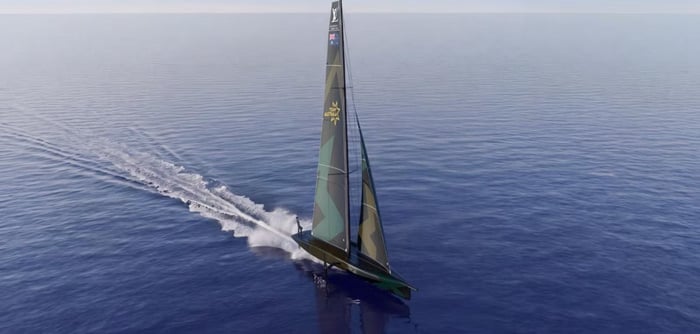
Image: Team Australia. Credit: https://www.teamaustraliachallenge.org/
13. Maritime Law – Shifting Concepts
In these troubled times, media reports frequently refer to concepts such as freedom of navigation and the international Law of the Sea. Whether discussing commercial vessels caught up in Middle East conflicts, rogue oil tankers linked to Russia’s so-called ‘shadow fleet’, or aggressive naval actions in disputed waters, maritime law has become part of the daily news cycle. Yet understanding how these laws operate can be challenging, even for maritime enthusiasts.
One useful principle to remember is that international maritime law does not apply in the same way to stateless ships. In May 2026, for example, a vessel flying the flag of Madagascar was deemed ‘stateless’ because it was not, in fact, registered in Madagascar. Under international law, a ship’s registration determines which state is responsible for enforcing safety, security and labour standards on board. This is known as the vessel’s ‘flag state’.
When a vessel has no legitimate flag state, it falls into a legal grey area. Under the United Nations Convention on the Law of the Sea (UNCLOS), port and coastal states have the authority to board and detain stateless vessels in order to establish their nationality and, in effect, act as a de facto flag state. This allows them to enforce international maritime law, even on the high seas.
The rationale is straightforward. If a stateless vessel grounds, sinks or causes an oil spill, the environmental and economic consequences can be severe – damaging coastlines, harming wildlife, disrupting fisheries and affecting tourism. Normally, a vessel’s insurance and flag state responsibilities provide avenues for compensation and accountability. However, when a stateless ship founders, there may be no effective insurance cover and no state willing or able to assume responsibility. The financial burden of remediation can therefore fall on the taxpayers of affected coastal communities rather than the shipowners responsible.
For this reason, countries negotiating UNCLOS insisted on provisions enabling coastal states to intercept and detain stateless vessels and remove them from their waters.
Sanctions provide another illustration of how maritime law operates. As a general rule, unilateral sanctions cannot simply be enforced against foreign-flagged ships operating on the high seas. However, vessels entering a state’s territorial waters must comply with that coastal state’s laws, including applicable sanctions regimes. Similarly, where a vessel is stateless and no legitimate flag state exists, the coastal state exercising jurisdiction may board the vessel and take enforcement action.
In an increasingly complex maritime environment, understanding the relationship between flag states, coastal states and international law helps explain why seemingly technical legal concepts are now central to debates about security, trade and environmental protection.
See: https://x.com/BartGonnissen
14. Australian Maritime Museums Council (AMMC)
AMMC, the peak maritime organisation is devoted to ‘Bringing Maritime Heritage into the Future’ a task in which AMMC plays a substantive role. A reminder that MMHN shares a similar role in celebrating the significance of Australia’s maritime endeavour – past, present and future.
MMHN Board member David Goodwin recently attended an AMMC study tour in South Australia. He concluded that the three-day Workshop Study program was an outstanding and highly thought-provoking program.
May 28 – Adelaide CBD
Guided tour of Adelaide’s Migration Museum.
Introductory remarks by Diana Lorentz followed by presentations by Richard Wesley, ANMM; Emily Jateff, Senior Curator, Maritime Trade & Industry; Monkeystack, creative studio with expertise in animations and digital content; Claudia von der Borch, Adelaide Museum MOD.
A Round Table with guests from other maritime groups in SA concluding with AMMC Council members Strategic Planning session, moderated by Diana Lorentz.
Dinner for Council members with the former SA Governor the Hon Hieu Van Le AC, who is the current Chair of ANMM.
May 29 – Port Adelaide
Guided tour of the SA Maritime Museum;
Port River Heritage Tour (boat trip aboard the heritage vessel Archie Badenoch);
Visit to a rope-making business which is contracted for the vessel Endeavour;
Rigging Project and a visit to the Clipper Ship City of Adelaide and its workshops.
May 30 – Murray River
Morgan Living River Festival on the Murray River;
Recommissioning ceremony for the PS Canally paddle steamer presided over by the SA Governor, Her Excellency the Honourable Frances Adamson AC;
Cruise on the vessel Marion;
Cruise on the Canally.
See: AMMC’s 2026 seminar and workshop program
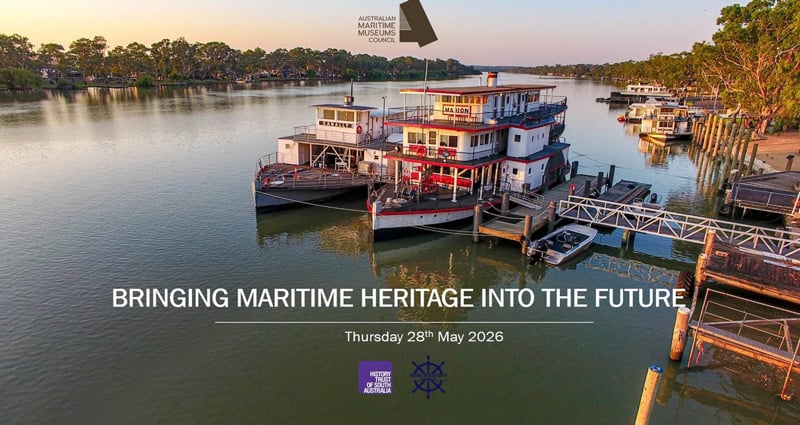
Image and Credit: AMMC’s 2026 seminar and workshop program
15. Cerberus Wreck News
A reminder that the Friends of the Cerberus is a non-profit association dedicated to preserving the HMVS Cerberus, a globally significant 1870s colonial ironclad warship that now lies as a breakwater at Half Moon Bay, Black Rock.
Since the 1970s, the group has advocated for the wreck’s preservation. Its primary objective is to secure funding and lobby governments to stabilise the vessel’s collapsing gun turrets and prevent further deterioration.
MMHN thanks Friends member John Rogers for the following report: ‘Bayside City Council, together with several experts in the field, is keen to determine whether our proposal to pump polyurethane into polyethylene bags beneath Cerberus’s gun turrets is feasible.’
John also states, ‘Canberra wanted a more thorough feasibility study so we are conducting another Site Investigations Report. Canberra also wants to spend $100,000 on Communications which we are not happy with.’
Readers are encouraged to read the submission opposing the use of concrete to support the hull and proposing polyethylene-filled supports as an alternative.
See: https://www.cerberus.com.au
Also: Cerberus Submission
16. German Antarctic to Waste Management – Exemplary
Such bad luck!
One of the more unusual reports tabled at the recent annual meeting of the Antarctic Treaty concerned a wayward iceberg carrying an unexpected cargo, seven shipping containers.
Germany’s Neumayer Station III sits on an ice shelf about 18 kilometres inland from the sea. In preparation for the arrival of a vessel scheduled to remove the station’s waste, seven containers were placed a few hundred metres from the coastline. Their contents included 9,500 litres of Arctic diesel, four containers of non-hazardous waste, a generator and fuel supplies, and a shelter for workers.
At the time, there were no visible signs of crevasses, cracks or fissures in the surrounding ice. However, between 13 and 21 January, a blizzard with winds reaching 130 km/h swept through the region. When conditions finally eased, station personnel discovered that an iceberg measuring approximately 500 metres by 300 metres had calved from the ice shelf and drifted out into the Weddell Sea.
Unfortunately, all seven containers had been sitting on the newly formed iceberg.
The German icebreaker RV Polarstern later located the iceberg some 140 kilometres south-east of Neumayer Station. Scientific work was immediately suspended while glaciologists assessed whether a recovery operation could be undertaken safely. The iceberg was found to be about 81 metres thick, with around 15 metres protruding above sea level, and some sections were considered stable enough for an exploration team to land.
Helicopters succeeded in retrieving almost one tonne of material, including three drums containing about 580 litres of Arctic diesel, together with gas cylinders and batteries. Sadly, that was all that could be salvaged.
The iceberg was last detected by satellite on 22 February. It is assumed that it subsequently broke apart, with the remaining containers sinking to the seabed.
The incident prompted a practical lesson in Antarctic logistics. As the report concluded: ‘In order to further reduce the risk of such a loss of cargo in the future, containers will be stored from now on at least 5,000 metres from the ice shelf edge.’
This extraordinary episode serves as a reminder that even the best planning can be overtaken by the unpredictable forces of nature in Antarctica.
See: Antarctic station discovers its shipping containers floating away on iceberg after blizzard
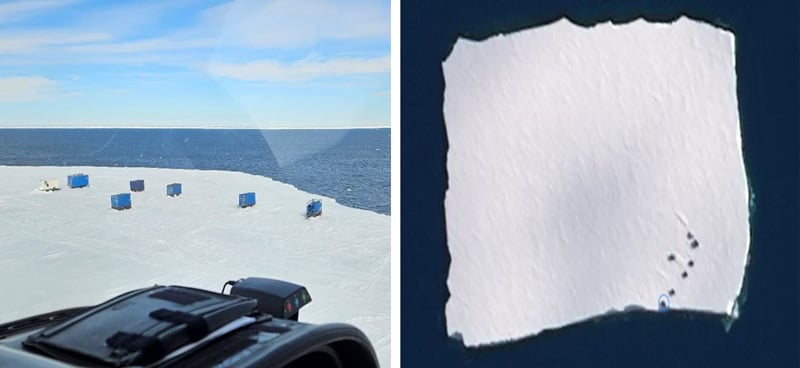
Image: Shipping containers on wayward iceberg. Credit: ABC News Online, May 23, 2026
17. Australian Antarctic Waste Management – Tardy
In 2025 a federal parliamentary committee recommended Australia clean up its contaminated waste at the abandoned Wilkes Station in Antarctica by 2030. If only they had mandated this!
In June 2026, the federal government reported that it was it was ‘not a viable timeframe’, citing complexities at the remote location. ‘A clean-up strategy is being developed, but the government will not say when it will be finalised’.
See: Australian government rejects clean-up deadline for Antarctica’s Wilkes Station
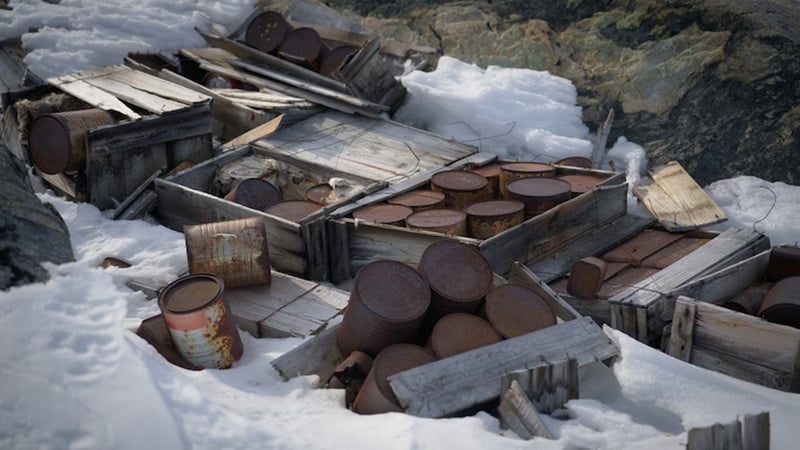
Image: Contaminated waste at the abandoned Wilkes Station. Credit: ABC News Online, May 15, 2026
18. Refuelling debacle
The ban on travelling under Hobart’s Tasman bridge is being reviewed. Authorities are considering whether it is feasible for Australia’s Antarctic icebreaker to safely travel under the Tasman Bridge, as the Tasmanian government tries to resolve a costly refuelling saga.
See: Tasmania reconsiders bridge ban as Nuyina’s refuelling saga drags on
19. Chinese flotilla in Tasman Sea
A timely topic at the recent Ocean Defence and Security Conference in Perth was the 2025 deployment of a Chinese naval task group into the Tasman Sea.
Defence officials believe that a Chinese nuclear-powered submarine may have accompanied the People’s Liberation Army Navy flotilla during its deployment off Australia’s east coast. The comments came as commercial airline pilots flying over the Tasman Sea reported monitoring radio communications between the Chinese warships and military surveillance aircraft, indicating that the naval presence had been observed well before it became a major public issue.
Australia’s Chief of Navy, Vice Admiral Mike Hammond, who is soon to become Chief of the Australian Defence Force, noted that the deployment coincided with Australia’s federal election and New Zealand’s defence strategic review.
Vice Admiral Hammond said the incident also influenced discussions about accelerating planned enhancements to the capability and preparedness of the Australian Defence Force.
See: Chinese flotilla in Tasman Sea stirred anxiety and anger in Australia, NZ
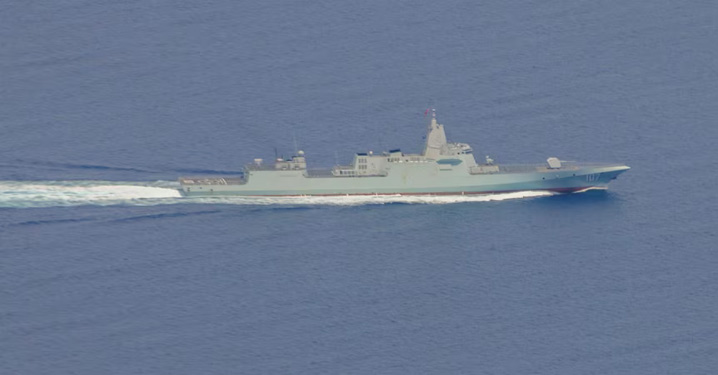
Image: People’s Liberation Army-Navy Renhai-class cruiser Zunyi in the Solomon Sea. Credit: ADF
20. RoRO Carrier
Chinese automotive giant BYD recently brought one of its roll-on/roll-off (RoRo) vessels to Melbourne, delivering around 5,000 hybrid and electric vehicles. The shipment marked the first time the manufacturer had deployed one of its own car carriers to Australia, following a rethink of its local strategy during the fuel supply concerns that unsettled motorists earlier this year.
In April, BYD Asia Pacific Group General Manager Liu Xueliang told reporters that conflict in the Middle East and resulting anxieties over energy security had ‘completely changed people’s view around energy supply’, helping to accelerate interest in electric vehicles.
The vehicles were unloaded at the Melbourne International RoRo and Automotive Terminal (MIRRAT), highlighting Melbourne’s growing role in Australia’s automotive import supply chain.
See: BYD Zhengzhou EV ship arrives in Australia
Also: Melbourne International RoRo automotive terminal
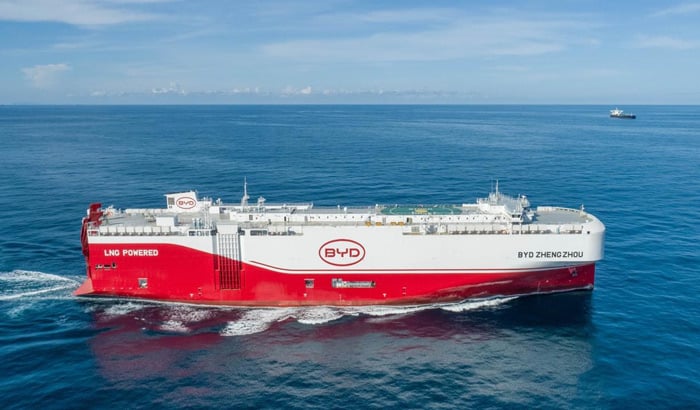
Image: BYD Zengzhou arrives shipping 5000 cars to Australia. Credit: news.com.au June 1, 2026
21. Barcelona Maritime Museum
MMHN Board Member Michael O’Brien recently visited the Maritime Museum of Barcelona, located on the city’s waterfront within the historic Royal Arsenal of Barcelona. Dedicated to the story of Mediterranean shipbuilding from the thirteenth to the eighteenth centuries, the museum is one of the region’s richest repositories of maritime heritage, with a history spanning more than 80 years.
The museum’s mission is to conserve, interpret and share Spain’s maritime legacy while celebrating Catalan maritime culture through research, conservation and the protection of its heritage. It strives to engage contemporary audiences through an innovative and participatory approach that connects the past with the society of today.
Among its most impressive exhibits is a 60-metre replica of the Real, the galley commanded by Don Juan of Austria at the 1571 Battle of Lepanto, where the Holy League fleet defeated the Ottoman Empire. The museum also cares for one of the last surviving Mediterranean trading schooners, now fully restored and moored nearby on the Barcelona waterfront.
For maritime enthusiasts, the Maritime Museum of Barcelona offers a remarkable insight into centuries of Mediterranean seafaring history and the enduring importance of preserving our shared maritime heritage.
See: Maritime Museum of Barcelona
Also: What was the Catalan Company, and why did it turn against the Byzantines?
22. When Sail supplanted Rowing
The Battle of Lepanto, fought in 1571, marked the last major naval engagement in the Western world conducted almost entirely by oared warships. The opposing fleets were dominated by galleys and galleasses—the direct descendants of the warships of classical antiquity—making the conflict, in many respects, an infantry battle fought on floating platforms.
It was the largest naval battle in Western history since ancient times, involving more than 450 vessels and tens of thousands of sailors, soldiers and oarsmen. The Holy League, a coalition of Catholic states led principally by the Spanish Empire and the Republic of Venice, sailed east from Messina to confront the westward-advancing fleet of the Ottoman Empire near Lepanto in the Gulf of Patras. The battle ended in a decisive victory for the Holy League.
Lepanto also marked a turning point in naval warfare. In the decades that followed, the rise of heavily armed sailing ships fighting in organised battle lines displaced the galley as the dominant warship. The transition heralded the beginning of the Age of Sail and transformed the nature of maritime conflict for centuries to come.
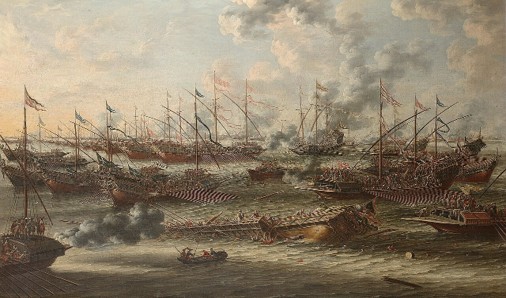
Image: Laureys a Castro – The Battle of Lepanto. Credit: Wikipedia
23. Aquaculture – Country of Origin Labelling
Australia imports about 64% of all seafood consumed, but many seafood consumers don’t know the origin of the seafood they have purchased. This needs to change and it will.
On 1 July, new seafood country of origin labelling (CoOL) laws will require all Australian hospitality businesses to label all seafood prepared for sale as either Australian (A), Imported (I) or Mixed origin (M) in all restaurants, cafes, clubs and food outlets, whether the food is consumed on the premises, a
Commercial fisheries employ a range of fishing methods, each designed to target particular species and habitats.
Trawl nets are towed behind a vessel either through the water column (midwater trawling) or along the seabed (bottom trawling).
Danish seine fishing involves attaching one end of a weighted rope to an anchor buoy. The vessel then steams in a large circle, laying out the rope, the seine net and a second weighted rope before returning to the buoy. The gear is then towed for around 30 minutes as the ropes draw together, herding fish into the net.
Squid jigging vessels use powerful overhead lights to attract squid to the shaded waters beneath the boat. Machines jig monofilament lines fitted with barbless lures up and down through the water to catch the squid.
Power handlines target finfish living on or near the seabed, particularly around offshore seamounts. Depending on the species sought, lines are typically set at depths ranging from 250 to 600 metres.
Longlining involves a main line that may extend for many kilometres, with thousands of baited hooks attached by short branch lines known as snoods.
Pelagic longlines drift near the ocean surface rather than being anchored and are fitted with radio beacons so vessels can locate and retrieve the gear and catch.
Gillnets are long rectangular panels of netting suspended vertically in the water by floats along the top and weights along the bottom. Fish attempting to swim through the diamond-shaped mesh become entangled by their gills, fins or spines.
Scallop harvesters (dredges) consist of heavy steel frames covered with steel mesh and open at the front. Towed across the seabed, they dig scallops from sand and mud. Once full, the dredges are hauled aboard and their contents sorted on deck.
See: Australian Fisheries Management Authority
24. Commercial Trawl Nets and Sets
Commercial fisheries employ a range of fishing methods, each designed to target particular species and habitats.
Trawl nets are towed behind a vessel either through the water column (midwater trawling) or along the seabed (bottom trawling).
Danish seine fishing involves attaching one end of a weighted rope to an anchor buoy. The vessel then steams in a large circle, laying out the rope, the seine net and a second weighted rope before returning to the buoy. The gear is then towed for around 30 minutes as the ropes draw together, herding fish into the net.
Squid jigging vessels use powerful overhead lights to attract squid to the shaded waters beneath the boat. Machines jig monofilament lines fitted with barbless lures up and down through the water to catch the squid.
Power handlines target finfish living on or near the seabed, particularly around offshore seamounts. Depending on the species sought, lines are typically set at depths ranging from 250 to 600 metres.
Longlining involves a main line that may extend for many kilometres, with thousands of baited hooks attached by short branch lines known as snoods.
Pelagic longlines drift near the ocean surface rather than being anchored and are fitted with radio beacons so vessels can locate and retrieve the gear and catch.
Gillnets are long rectangular panels of netting suspended vertically in the water by floats along the top and weights along the bottom. Fish attempting to swim through the diamond-shaped mesh become entangled by their gills, fins or spines.
Scallop harvesters (dredges) consist of heavy steel frames covered with steel mesh and open at the front. Towed across the seabed, they dig scallops from sand and mud. Once full, the dredges are hauled aboard and their contents sorted on deck.
See: Australian Fisheries Management Authority
25. Company of Master Mariners (COMMA)
COMMA (Victoria) is an important member of MMHN representing Merchant Seafarers and ‘matters affecting their interests and status of the Merchant Navy and its Officers’. Other branches are located in Brisbane, Sydney and Perth.
COMMA is apolitical and maintains a non-industrial intent on preserving and enhancing the dignity and prestige of the Master Mariner.
Its objectives are to encourage and develop the education, training and qualification of aspiring seafarers, promote the highest standards of professional conduct and practical proficiency in all Merchant Navy personnel and to make donations for patriotic or charitable purposes.
The organisation has an illustrious heritage linked to but a separate entity from The Honourable Company of Master Mariners, London.
In recognition of the sacrifices of the Merchant Navy during the First World War, the organisation holds a unique distinction as the only livery company permitted by King George V to use the prefix ‘Honourable’.
Prior to the Second World War, in 1938, nineteen Australian mariners established the Company of Master Mariners of Australia (COMMA) in Brisbane, including a representative role for the profession. In 1939, Sir Leslie Orme Wilson, then Governor of Queensland, became the first ‘Master of the Company’. Since 1948, the role has been accepted by successive Governors-General of Australia.
In 2024, King Charles III became its Patron.

26. Australian Maritime Mystery
The Australian National Maritime Museum (ANMM) may be forgiven a degree of Sydney-centricity in presenting this intriguing story, ‘The Boat Beneath the City: Unlocking the Secrets of an Australian Maritime Mystery, Episode 1’.
The ‘Barangaroo Boat’ was uncovered during development excavations near a historic Sydney seawall, revealing rare colonial-era shipwreck timbers, believed to be from one of the earliest vessels constructed in Australia. The remains display an unusual and rudimentary branch-frame construction technique, offering important insights into early shipbuilding practices in the colony.
The excavation also provides a compelling opportunity to observe maritime archaeologists at work as they carefully document and analyse these fragile timbers, shedding light on a little-known chapter of Australia’s maritime history.
Watch: https://www.youtube.com/watch?v=kFAS4sdqn-Y
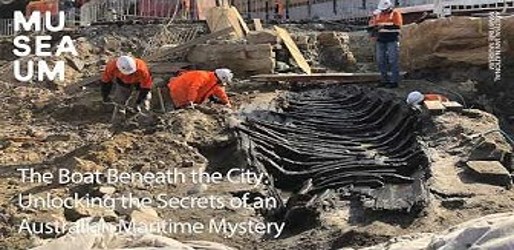
Image: ‘The Boat Beneath the City’. Credit: Australian National Maritime Museum
27. World Ship Society
MMHN encourages all ship enthusiasts to join the WSS (World Ship Society). Their monthly meetings at the Port of Melbourne Education Centre on Lorimer Street are consistently fascinating, particularly given the opportunity to observe vessels passing slowly upstream at close range.
The WSS newsletters are also richly illustrated, packed with excellent imagery of ships frequenting our waters. WSS Secretary/Treasurer Philip Meyer notes with enthusiasm, ‘what a difference the drone-mounted camera has made in capturing better angles of ships, unconstrained by ground-level perspectives.’ MMHN fully concurs.
MMHN warmly encourages all maritime enthusiasts to become involved with WSS.
See: The World Ship Society Website
28. Algal Bloom Persists In SA
Modelling suggests a possible ‘second wave’ of the harmful algal bloom in Spencer Gulf. While this remains uncertain, concern has grown since March 2025, with conditions indicating the potential for further spread through the gulf in the coming months.
Oceanographer Jochen Kaempf, whose modelling successfully tracked the movement of the bloom through Gulf St Vincent in 2025, expects continued progression into Spencer Gulf over the same period.
Early in 2026, Karenia cristata was also detected at the previously unaffected south-western tip of the Yorke Peninsula, heightening concern among researchers and local observers.
Citizen scientists have reported hundreds of dead fish in parts of Spencer Gulf, adding to fears about the bloom’s ecological impact. On the western side of the Yorke Peninsula, there is cautious hope that conditions may not persist as long as they did in the eastern regions, though the situation remains under close observation.
See: Algal bloom brings ‘sense of grief’ to parts of Yorke Peninsula
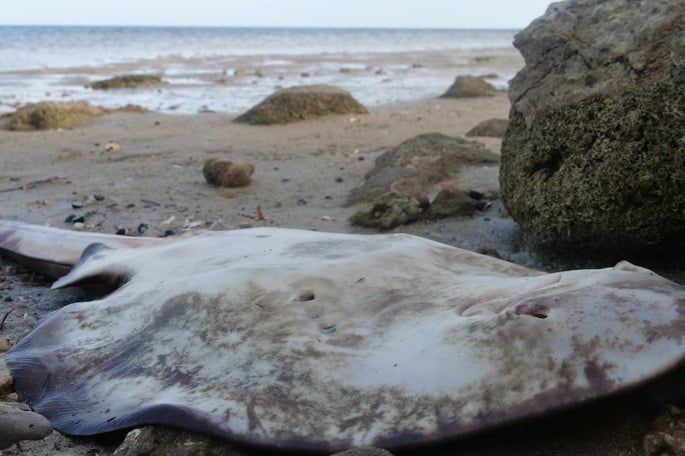
Image: Yorke Peninsula littered by dead marine life. Credit: ABC News Online, February 12, 2026
29. Marine Artists Australia
MMHN Board Member Dr Gregory Harper reports that The Australian Society of Marine Artists, with whom MMHN has had several collaborative art exhibitions, is now closed. Every effort was made by a group of energetic volunteers to keep it operational, however the decision was made to disincorporate and close the society as of April 2026. The overheads of running an incorporated art society were considered prohibitive.
Moving forward, volunteers have established and are managing an invitational register of Marine Artists from around Australia. This will be Marine Artists Australia (MAA). MAA’s purpose will be to facilitate interaction between artists through a register, a newsletter and a Facebook group providing a forum to share and display their thoughts and works with each other, and with the public. A Website could follow providing online exhibitions and artists’ folios.
The MAA group will work remotely together and contribute to events like the 1st International Online Marine Exhibition which was held back in 2021.
The opportunity for MMHN members and supporters is to work collaboratively with Marine Artists Australia to help facilitate online exhibitions and related initiatives that promote awareness of Victoria’s marine environment, maritime heritage, and contemporary maritime issues.
Standby for more information about the MAA.
30. Pacific Blue Shipping Partnership Signed
Seven Pacific Island nations have signed the Pacific Blue Shipping Partnership (PBSP), a landmark regional agreement aimed at accelerating the transition to cleaner and more resilient maritime transport across Oceania. The signatories – Fiji, Federated States of Micronesia, Kiribati, Nauru, Marshall Islands, Tuvalu and Vanuatu – are expected to be joined by Palau and Tonga.
The partnership seeks to modernise Pacific domestic shipping fleets, many of which rely on ageing vessels operating some of the world’s most challenging and costly routes. Key objectives include developing low-carbon vessels, climate-resilient port infrastructure, maritime maintenance facilities, and training programs for seafarers and shore-based workers.
Headquartered in Majuro, Marshall Islands, the PBSP will also pursue funding from the Green Climate Fund, including support for a demonstration fleet of wind-assisted vessels.
The initiative represents a significant step towards sustainable maritime transport while strengthening long-term connectivity for Pacific Island communities.
See: Pacific Island Countries Formalize a Clean Shipping Pact
31. Foreign Lotteries
MMHN noted the Federal Government’s recent decision to ban foreign lotteries from operating in Australia, a measure designed to enhance consumer protections while supporting Australian lottery operators and the community initiatives they help fund.
This development highlights an opportunity to consider allocating a greater proportion of lottery revenues to heritage conservation, including maritime heritage projects.
In the United Kingdom, the National Lottery Heritage Fund has invested more than £9.5 billion in heritage initiatives, supporting the preservation of historic sites, collections, landscapes and community heritage assets across the nation.
Australia could benefit from a similar approach. Western Australia’s Lotterywest provides a successful local example, having distributed substantial grants to support arts, cultural and community infrastructure projects throughout the state.
A dedicated national heritage funding stream, supported by lottery revenues, could deliver significant benefits for the preservation, interpretation and promotion of Australia’s rich maritime and cultural heritage. Such an initiative would help safeguard important heritage assets, strengthen community engagement, and ensure these stories and places are preserved for future generations.
See: Heritage fund, UK
Also: Lotterywest
Until next time,
Jackie
Dr Jackie Watts OAM
Chair,
Melbourne Maritime Heritage Network